Culture · 5 min read
What Does the Mati Mean? The Greek Evil Eye Explained
MEZZE LIFE Journal · 19 November 2026
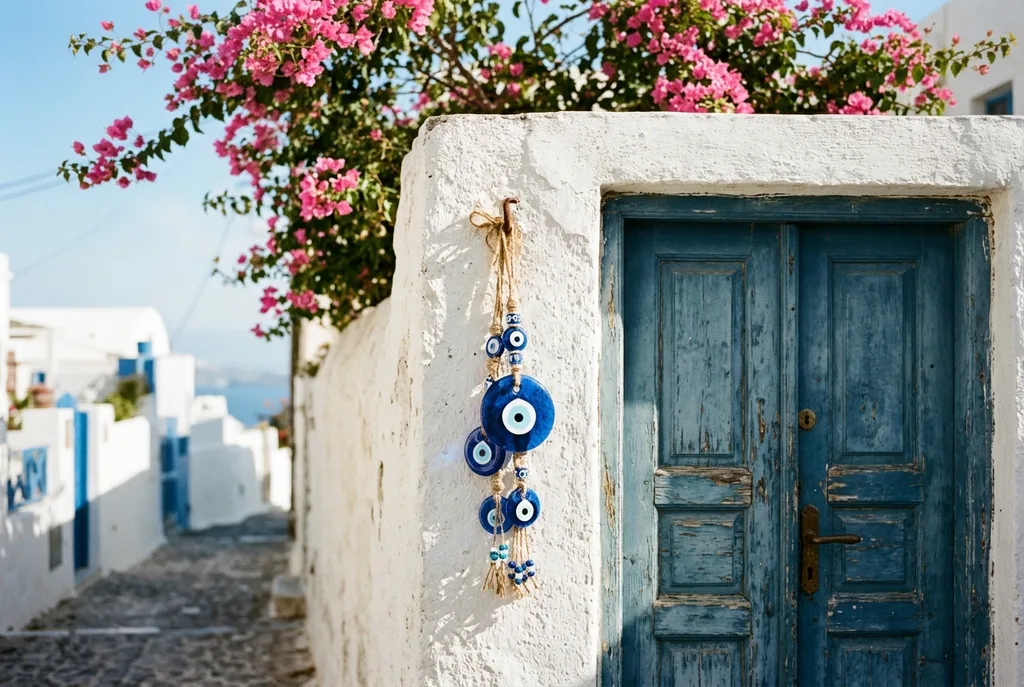
Walk through almost any Greek town and you will see it: a blue eye on a bracelet, hanging by a front door, swinging from a rear-view mirror or pinned to a baby's clothes. In Greek it is called the mati, which simply means eye. It is one of the most familiar symbols of the eastern Mediterranean, and one of the oldest.
What the evil eye is
The mati is a charm against the evil eye, the belief that a look full of envy, or even too much admiration, can bring someone bad luck. The person giving the look does not have to mean any harm. Praise a baby, a new house or a good harvest a little too warmly and, in the traditional view, you may have put it at risk.
In Greek, being affected by the evil eye is called matiasma. Headaches, tiredness and a run of small misfortunes are the classic signs. Many families still know a short prayer or ritual, often passed down by a grandmother, said to lift it.
An idea with ancient roots
Belief in a harmful gaze is very old in the Mediterranean world. Ancient Greek and Roman writers discussed it, and the Greek author Plutarch devoted a passage of his Table Talk to the question of why some people are thought to cast the evil eye. Painted eyes also appear on ancient Greek drinking cups and on the bows of ships, and some historians read them as protective, although their exact meaning is still debated.
The idea is not only Greek. Similar beliefs are found across the eastern Mediterranean and the Middle East. In Turkey the blue glass charm is known as the nazar, and versions of it are sold from the Aegean islands to the markets of the Levant.
Why the charm is blue
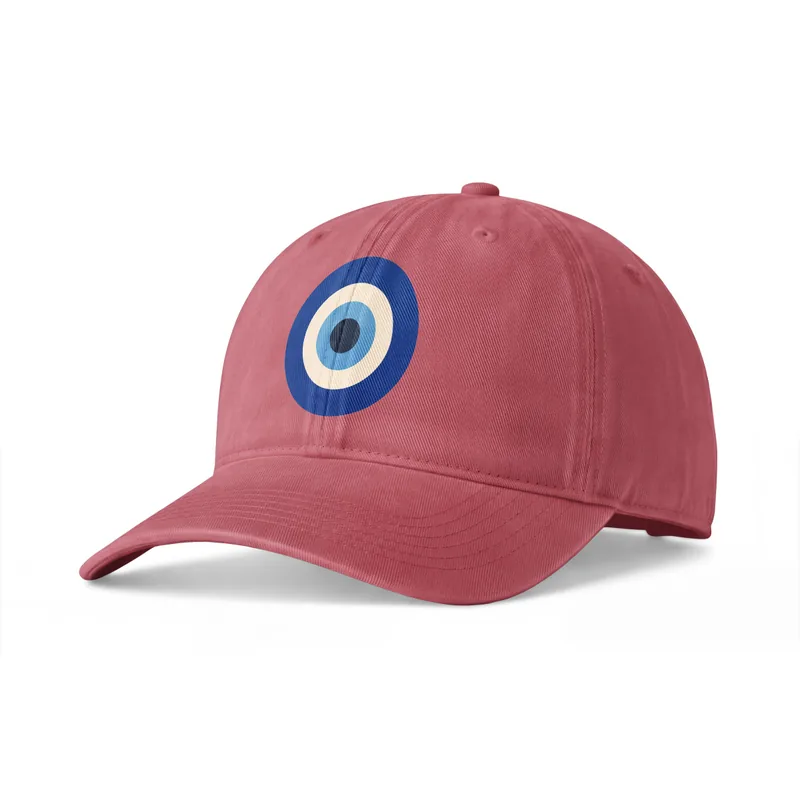
The best known mati is a disc or bead of blue glass with circles of white, light blue and black that form an eye. The blue glass bead is closely linked to the glassmaking traditions of the region. People offer different explanations for the colour, from the sea and sky to old protective associations, but there is no single agreed answer. What matters is the idea behind it: the eye looks back, turning the harmful glance away.
How the mati is worn and given today
- As jewellery: bracelets, necklaces and earrings, worn every day by people of all ages.
- As a gift for a newborn, often pinned to clothing or attached to a pram.
- At home: hung by the front door or given as a housewarming present.
- On the move: hanging in cars, on key rings and on bags.
You may also hear people say "ftou, ftou" with a light pretend spit after giving a compliment. It is a playful, very Greek way of keeping the evil eye away from the person being praised.
Wearing the symbol with respect
For many people the mati is part of everyday life rather than a souvenir. Some wear it out of genuine belief, others out of habit or affection for a grandparent who always kept one close. Either way it is worn with a sense of care, which is part of its appeal.
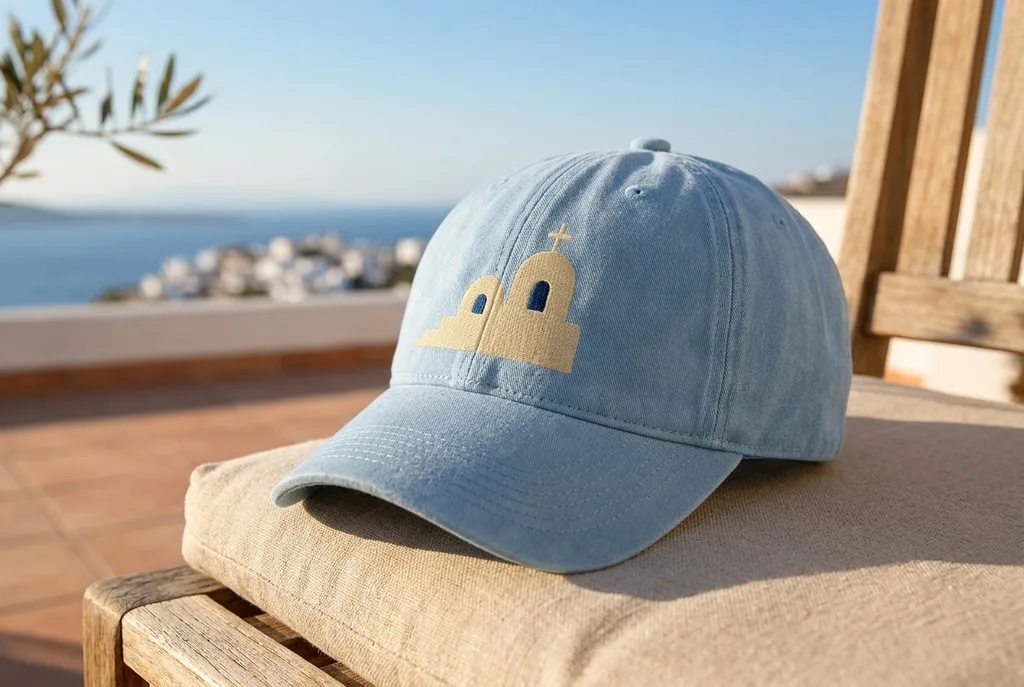
Our Mati Cap takes the traditional eye motif and gives it a bold, minimal illustration on sunwashed cotton. If the Greek islands are more your mood, the Island Village and Aegean Light caps carry the whitewashed walls and blue water that so often frame a mati by the door.