Food · 5 min read
What Is Za'atar? A Guide to the Levantine Herb Blend
MEZZE LIFE Journal · 19 November 2026
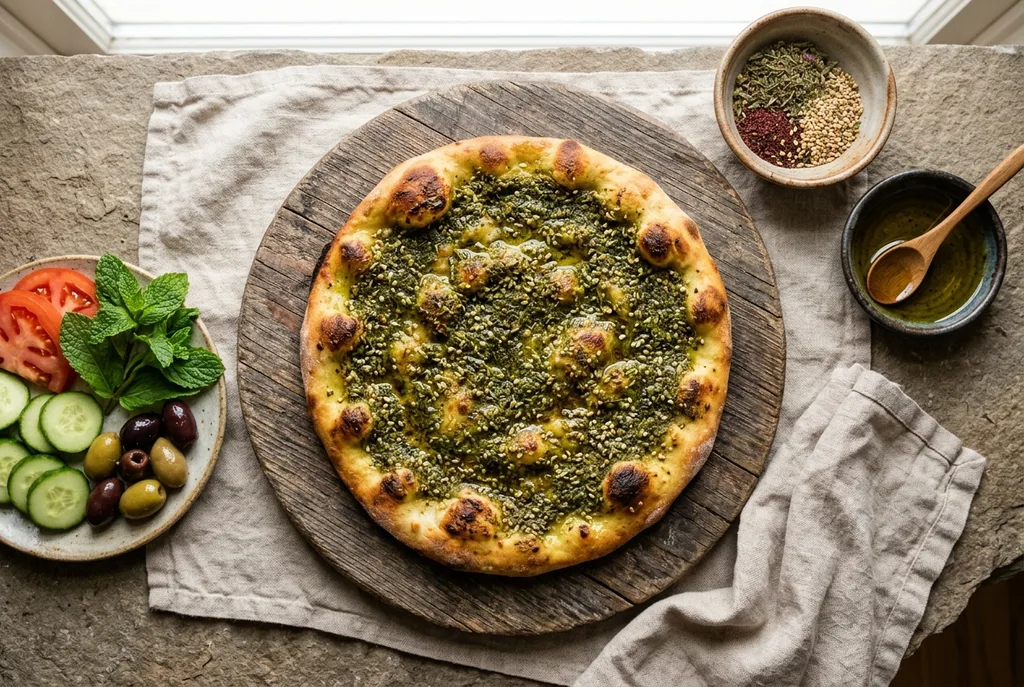
Few flavours say Lebanon and the Levant as clearly as za'atar. It is sprinkled on bread at breakfast, stirred into olive oil, scattered over labneh and carried home from markets in paper bags. If you have eaten in a Lebanese bakery or at a mezze table, you have almost certainly tasted it.
One word, two meanings
Za'atar is the name of a herb and of the blend made from it. The herb is a wild, oregano-like plant, Origanum syriacum, that grows across the eastern Mediterranean and is sometimes sold as Syrian or Lebanese oregano. In everyday speech, though, za'atar usually means the seasoning mix found in kitchens across the region.
What goes into the blend
- Dried za'atar leaves, or a mix of thyme, oregano and marjoram where the wild herb is not available.
- Ground sumac, which adds a tart, lemony taste and a deep red colour.
- Toasted sesame seeds for a nutty crunch.
- Salt.
Proportions change from country to country, town to town and family to family. Some blends are greener and more herbal, others are tangier with more sumac. Many households have a version they consider the right one, and a favourite shop or relative who supplies it.
How it is eaten
The best known use is man'oushe, a flatbread spread with za'atar mixed into olive oil and baked until the edges crisp. In Lebanon it is a classic breakfast, bought warm from a neighbourhood bakery and often folded around fresh tomato, cucumber, mint and olives.
Even simpler is bread dipped first in good olive oil and then in za'atar. It is a common saying in Lebanon that za'atar is good for the mind, which is why it is often given to children before school or exams. Whatever the science, it makes a very good breakfast.
Easy ways to use za'atar at home
- Over labneh or thick yoghurt with a pool of olive oil.
- On fried or scrambled eggs.
- Tossed through roast vegetables or potatoes before they go in the oven.
- Rubbed over chicken with olive oil, garlic and lemon.
- Sprinkled over a tomato and cucumber salad.
- Stirred into olive oil as a dip for warm bread.
Buying and storing
Look for za'atar with a fresh green colour and a strong herbal smell. Keep it in an airtight jar away from heat and light, and use it within a few months, when the flavour is at its best. Middle Eastern grocers usually have the widest choice.
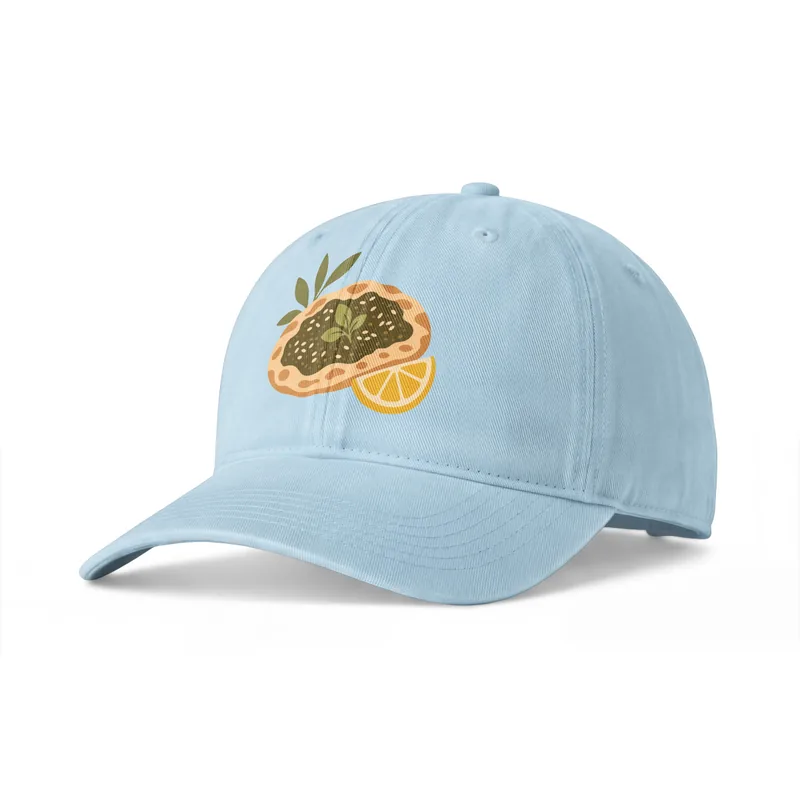
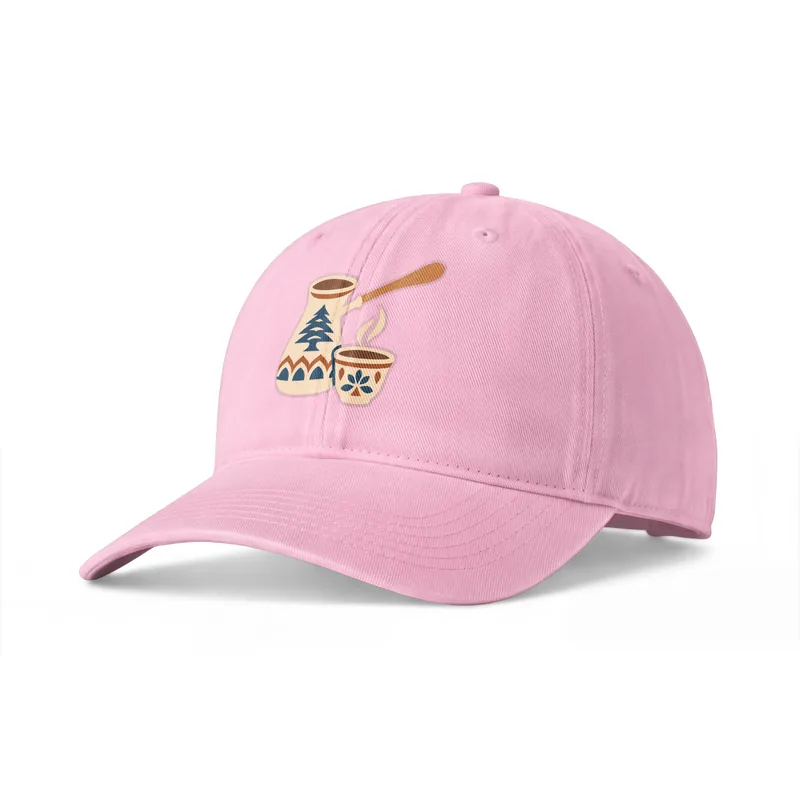
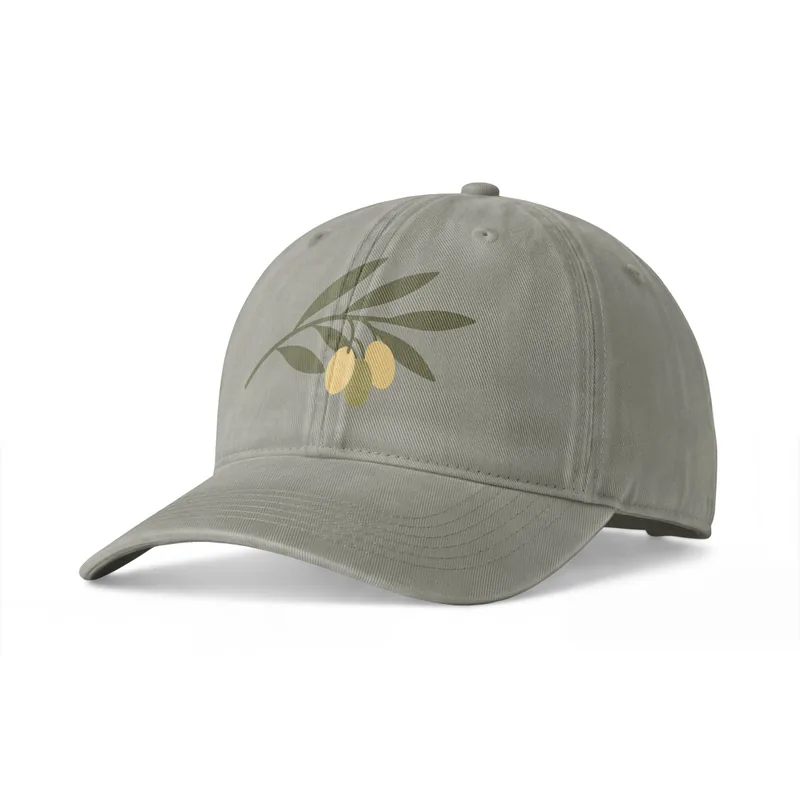
Our Za'atar Cap is a light-hearted nod to that morning ritual of warm bread and a generous sprinkle. It sits well alongside the Lebanese Coffee Cap, inspired by the custom of sharing coffee and conversation, and the Olive Grove Cap, for the trees that give the oil.